










- Zuhause
- Verlagswesen
Verlagswesen Supply Chain Management
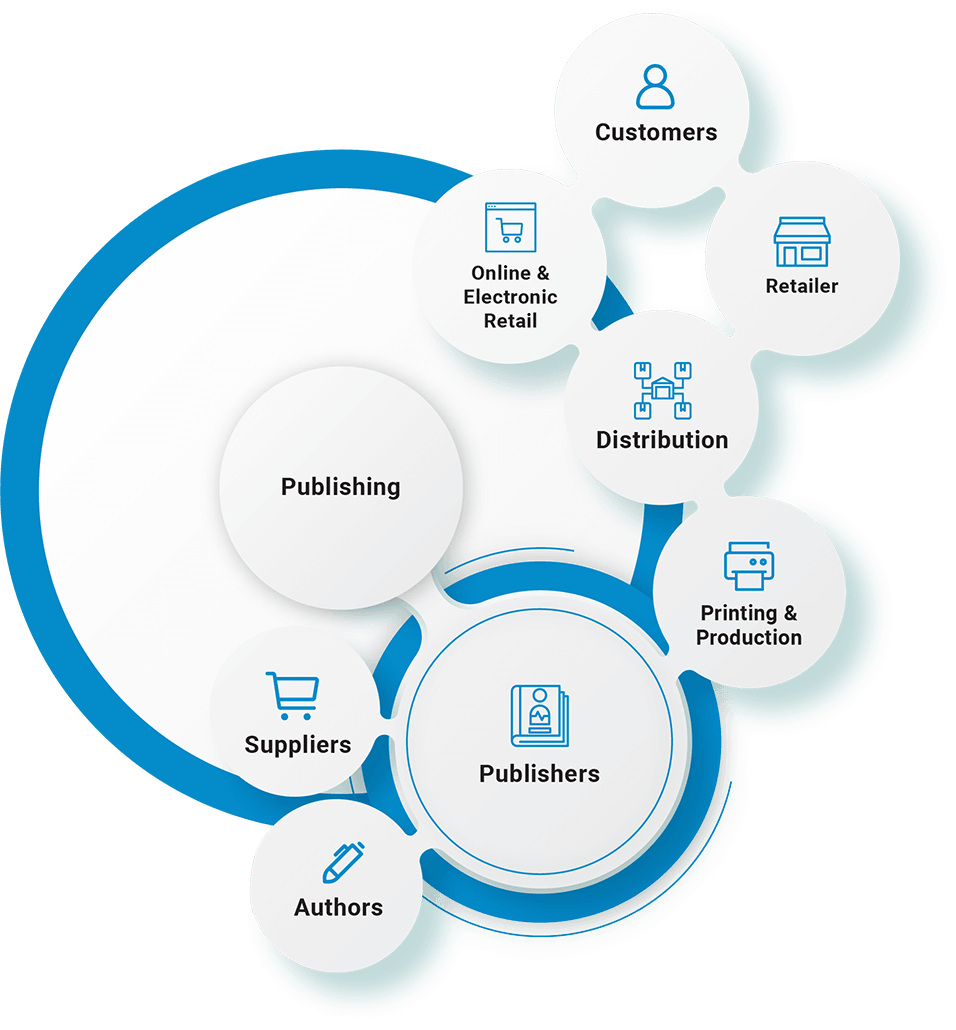
Verbindung der Verlags-Lieferkette
Die Verlagsbranche hat eine Renaissance erlebt, wobei steigende Buchverkäufe, Online-Plattformen und Vertriebskanäle höhere Transaktionsvolumina antreiben. Die Verwaltung von Bestellungen, Rechnungen und Vertriebsdokumenten über diese Kanäle hinweg schafft eine komplexe Lieferkette mit vielfältigen Partnern, die unterstützt werden müssen, und die Notwendigkeit, den Fluss von Produkten und Informationen zu optimieren.
Herausforderungen in der Lieferkette des Verlagswesens
Herausforderung 01
Multi-Kanal-Distribution
Die Verlagsbranche stützt sich auf zahlreiche globale Verlage, Tausende von Buchhandlungen und mehrere Vertriebshändler. Online-Marktplätze erhöhen die Komplexität weiter, da Verlage und Einzelhändler direkt an die Verbraucher verkaufen. Die Koordination von Bestellungen, Lagerbeständen und Lieferungen über diese vielfältigen Kanäle hinweg schafft eine herausfordernde und komplexe Lieferkette, die effektiv verwaltet werden muss.
Herausforderung 02
Eindeutige Produktidentifikation
Die Verlagsbranche ist auf eindeutige Identifikatoren, wie ISBNs, EANs und GLNs, angewiesen, um Produkte, Käufer und Verkäufer zu verfolgen. Diese Codes sind in allen Dokumenten, ob elektronisch oder in Papierform, eingebettet, um eine genaue Identifizierung und einen reibungslosen Handel zu gewährleisten. Obwohl sie für die Rückverfolgbarkeit von Produkten unerlässlich sind, erhöhen sie die Komplexität von SKUs und schaffen unterschiedliche Anforderungen in verschiedenen Märkten.
Herausforderung 03
Vorausbestellungen und Rücksendungen
Unternehmen müssen oft Vorauskonten basierend auf Prognosen oder Empfehlungen verarbeiten und gleichzeitig Buchhandlungen ermöglichen, unverkauften Bestand nach einem festgelegten Zeitraum zurückzugeben. Dieser Ansatz erhöht die Komplexität der Lagerverwaltung, der Bestellabwicklung und der Dokumentenverwaltung.
Herausforderung 04
KMU-Unterstützung
Kleinere Verlage und Einzelhändler nutzen oft eine Vielzahl von Kassensystemen, die schwer zu integrieren sind. Die Zustimmung von Softwareanbietern zu erhalten und den EDI-Handel zu ermöglichen, kann komplex sein, was die Akzeptanz in diesen Märkten langsamer und weniger unkompliziert macht.
Was sich vor Ort als gut erweist
Bestellungen von Buchhandlungen, Großhändlern und Online-Händlern werden unabhängig vom Kanal oder System ohne Verzögerung empfangen und bearbeitet.
Produktidentifikatoren, Preise und Verfügbarkeit bleiben über Verlage, Marktplätze und Vertriebspartner hinweg konsistent.
Rücksendungen, Vorbestellungen und Nachschubzyklen durchlaufen die Lieferkette mit klarer Dokumentation und vorhersehbaren Zeitplänen.
Teams geben Bestellungen nicht manuell neu ein, gleichen Lagerbewegungen nicht ab oder beantworten ständige Anfragen zum Bestell- und Lieferstatus. Sie konzentrieren sich darauf, Bücher verfügbar zu halten, Einzelhändler zu unterstützen und schnell auf sich ändernde Nachfrage zu reagieren.
- Handelspartner können sich ohne technische Barrieren verbinden und Dokumente austauschen.
- Bestellungen, Rücksendungen und Rechnungen bleiben im Netzwerk sichtbar.
- Die Lieferkette funktioniert reibungslos, auch wenn Volumen und Kanäle wachsen.
Lieferkettenverbindungen


Lösungen für die Verlegerbranche
EDI
Reduzieren Sie den Papierverbrauch und verbessern Sie die Compliance, die von größeren Einzelhandelsketten gefordert wird, indem Sie ein vernetztes System für alle Partner nutzen, einschließlich Marktplätzen wie Amazon. Erfüllen Sie mühelos die Standards für den Handel mit Verlagen, Distributoren und Einzelhändlern.
Pacstream
Handeln Sie elektronisch zwischen Verlagen und Buchhandlungen über den Pacstream-Marktplatz. Buchhandlungen können EDI-Verkaufsaufträge direkt an Verlage senden, ohne manuell Bestellungen erstellen zu müssen. Verlage können mit elektronischen Dokumenten wie Rechnungen antworten und so schnelle, genaue und papierlose Transaktionen gewährleisten.
Web EDI
Erhalten Sie sofortigen Zugriff auf alle Dokumente, die über B2BE-Lösungen, einschließlich des EDI-Netzwerks, übertragen wurden. Verlage können Informationen anzeigen und teilen, unabhängig vom Ursprung oder Ziel des Dokuments.
So funktioniert's
Ihre Lieferkette im Verlagswesen zum Erfolg führen
Echtzeit-Handel
Greifen Sie auf Echtzeitinformationen, Daten und Dokumente zu, um schneller auf Bestellungen, Bestandsänderungen und Marktnachfrage reagieren zu können.
Nachhaltigkeit
Die Eliminierung physischer Dokumente verbessert nicht nur die Effizienz, sondern reduziert auch den CO2-Fußabdruck der Industrie und unterstützt Nachhaltigkeitsziele, die für Unternehmen und Verbraucher gleichermaßen immer wichtiger werden.
Automatisierung für Effizienz
Vereinfachen Sie die Liefer kette, indem Sie Verlagen ermöglichen, elektronisch mit Kunden und Partnern zu handeln, um manuelle Arbeit zu reduzieren und die betriebliche Effizienz erheblich zu verbessern.
Transparenz und Sichtbarkeit
Stellen Sie sicher, dass alle elektronischen Dokumente für die richtigen Personen zugänglich sind, damit Verlage, Buchhandlungen und Vertriebspartner Self-Service-Support erhalten und Bestellungen einfach verwalten können.