









- Zuhause
- Energie
Energiolieferkettenmanagement
Die Energieversorgungskette verbinden
Weil Produzenten, Lieferanten und Dienstleister in moderne Infrastrukturen und nachhaltigere Ressourcen investieren, müssen sie auch die Verwaltung komplexer Energielieferketten modernisieren. Da Energieunternehmen in einem stark regulierten und sich schnell entwickelnden Markt tätig sind, benötigen sie zuverlässige, automatisierte Möglichkeiten, um Handelspartner zu verbinden, Transaktionen zu verwalten und Transparenz über ihre Liefernetzwerke aufrechtzuerhalten.
Herausforderungen in der Energieversorgungs- und Lieferkette
Herausforderung 01
Neue Märkte
Der Energiesektor unterliegt einem ständigen Wandel, mit dem Aufkommen von grüner Energie, um eine höhere Erneuerbarkeit und weitere Nachhaltigkeit zu erreichen. Grüne Energie führt praktisch zur Entstehung neuer, spontaner Lieferketten, da ihre Nutzung immer weiter verbreitet wird. Dies bedeutet, dass der Aufbau neuer Systeme und Prozesse darum herum unerlässlich wird.
Herausforderung 02
Komplexer Einkauf
Die Energieversorgungskette hat komplexe Einkaufsanforderungen, da viele Einkäufe komplizierte und hochspezialisierte physische Vermögenswerte wie Halbleiter und schwere Güter beinhalten. Dies kann lange Lieferzeiten und komplexe Vorschriften mit sich bringen, was zusätzliche Risiken in der Lieferkette birgt.
Herausforderung 03
Wartung und Service
Im Energiesektor müssen nach dem Kauf Infrastrukturen gewartet und repariert werden, um eine optimale Effizienz und den fortgesetzten Betrieb zu gewährleisten. Dies bedeutet, dass Anschaffungen von Waren, Dienstleistungen und Beratungsleistungen sowie gesetzliche Anforderungen kontrolliert und überprüfbar sind, um sicherzustellen, dass die Wartungsprozesse den Standards entsprechen.
Herausforderung 04
Remote-Infrastruktur
Ein Großteil der Infrastruktur zur Energieerzeugung und -verteilung befindet sich in abgelegenen Gebieten, was Lieferkettenverzögerungen besonders kritisch macht. Schlecht gemanagte Verzögerungen können wesentliche Wartungsarbeiten beeinträchtigen und erheblich höhere Kosten verursachen.
Was sich vor Ort als gut erweist
Ausrüstung, Materialien und Dienstleistungen erreichen ihren Bestimmungsort, ohne Wartungspläne oder Produktionsfristen zu verzögern.
Lieferanten, Auftragnehmer und Dienstleister können schnell auf Anfragen reagieren, unabhängig von Ort oder Dokumentenformat.
Regulierungsbezogene Aufzeichnungen, Genehmigungen und Transaktionsdaten bleiben über Projekte und Standorte hinweg konsistent, nachvollziehbar und zugänglich.
Teams warten nicht auf Papierkram, gleichen Lieferantenrechnungen ab oder verfolgen Updates von Remote-Betrieben. Sie konzentrieren sich auf die Aufrechterhaltung der Betriebszeit, das Risikomanagement und den sicheren und effizienten Betrieb kritischer Infrastrukturen.
- Lieferzusagen sind sichtbar und verlässlich.
- Compliance und Auditbereitschaft sind in die täglichen Abläufe integriert.
- Das Unternehmen kann auf Veränderungen reagieren, ohne die Kontrolle zu verlieren.
Lieferkettenverbindungen


















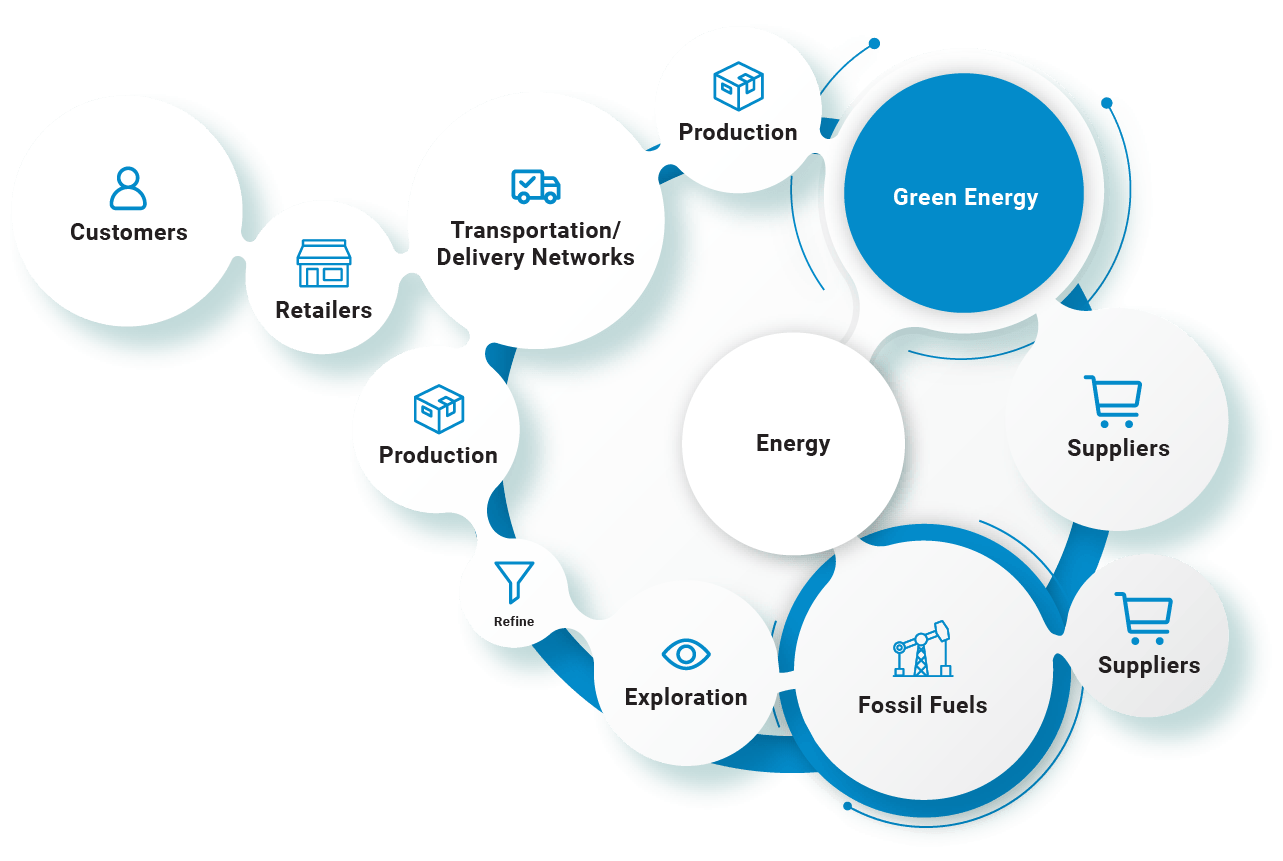
Lösungen für die Energiewirtschaft
EDI
Verbinden Sie sich einfacher mit Kunden und Lieferanten, indem Sie Dokumente in jedem Format elektronisch senden und empfangen, was die Integration zu einem einfachen und reibungslosen Prozess macht. Verwalten Sie die Kunden- und Lieferantenaufnahme, um die operative Effizienz zu optimieren und den elektronischen Handel zu beschleunigen.
Kreditorenbuchhaltung Automatisierung
Die Drei-Wege-Abgleichlösung bietet einen vollständig verwalteten Rechnungsabgleichprozess, der die Abgleichraten erhöht, Genehmigungen automatisiert und die Rechnungsbearbeitung beschleunigt. Rechnungen ohne Bestellungen oder Wareneingänge können ebenfalls zur Sachkontenbuchung und Genehmigung weitergeleitet werden, um sicherzustellen, dass Rechnungen korrekt erfasst und pünktlich bezahlt werden.
E-Rechnungs-Mandate
Entwickelt, um sich nahtlos in Kreditoren- und Debitorenbuchhaltungslösungen zu integrieren, während gleichzeitig der Rechnungsbearbeitungsprozess gestrafft und der Durchsatz erhöht wird. Unterstützt die End-to-End-Rechnungsbearbeitung sowohl für Lieferanten als auch für Käufer.
Web EDI
Stellen Sie eine vollständige Transparenz der Lieferkette für die beweglichen Teile sicher, indem Sie elektronisch auf Daten sowie auf mehrere Arbeitsabläufe und Tools zugreifen, um die Beschaffungs- und Auftragsabwicklungsprozesse der Lieferkette zu unterstützen.
So funktioniert's
Ihrer Energieversorgungskette zu einem Aufschwung verhelfen
Verbesserte Effizienz
Steigern Sie Effizienz, Output und Durchsatz in der gesamten Energieversorgungskette. Automatisieren Sie den Dokumentenaustausch, verbessern Sie die Transparenz und optimieren Sie Prozesse, um komplexe Lieferantennetzwerke zu verwalten, auf Nachfrageschwankungen zu reagieren und den Betrieb zu optimieren.
Erhöhte Nachhaltigkeit
Dokumentenprozesse in der Lieferkette digitalisieren und automatisieren, um Papierdokumente zu reduzieren und die Standards für ein nachhaltigeres Unternehmen zu erfüllen.
Optimierte Abläufe
Verfolgen Sie mehrere Lieferanten, Großhändler, Verarbeiter und Hersteller auf einer einzigen Plattform, während Sie den Überblick über alle beweglichen Teile innerhalb des Liefernetzwerks behalten.