







FMCG Supply Chain Management

Connecting the FMCG supply chain

In the fast-moving FMCG sector, manufacturers, distributors, and retailers must deliver products accurately and on time to meet customer demand. The FMCG supply chain is highly structured, with complex rules for trading, shipping, and packing that govern thousands of products and suppliers. Efficient, standardised electronic processes are essential to manage this complexity, reduce errors, and keep goods moving smoothly from production to store shelves.

FMCG Challenges

Challenge 01
Logistics Processes
Many supermarkets and retailers in the FMCG sector face the challenge of meeting strict on-time, in-full (OTIF) requirements due to the perishable nature of products and high volumes. These demanding measurements put pressure on suppliers and distributors, as performance directly affects current and future supply agreements.
Challenge 02
Distribution Centre Centric Model
The FMCG industry relies on distribution centres, making accurate picking, packing, and cross-docking critical. Errors can disrupt orders and shipments, adding pressure to maintain speed, precision, and efficiency across the supply chain.
Challenge 03
Complex Distribution Requirements
With distribution centre (DC) centric models, buyers across the FMCG supply chain require advance shipping notices (ASNs), cross-docking, labels, and packaging tailored to each end destination. Systems and warehouse staff must handle these requirements on a customer-by-customer basis, adding complexity to daily operations.
Challenge 04
Supplier Channel Diversity
Suppliers serving the FMCG sector often operate across multiple industries, each with its own supply chain requirements. Supporting staff must manage diverse processes simultaneously, adding complexity and increasing the risk of errors or delays.

What Good Looks Like On The Ground

Orders flow cleanly from retailers into distribution and production without manual intervention or last-minute corrections. Shipping, labelling, and packing requirements are met consistently across customers, channels, and delivery locations. Suppliers, logistics partners, and distribution centres operate from the same accurate, up-to-date information.
Teams are not reworking orders, chasing delivery confirmations, or resolving compliance issues after goods have left the warehouse. They are focused on keeping shelves stocked, maintaining service levels, and responding quickly to demand.
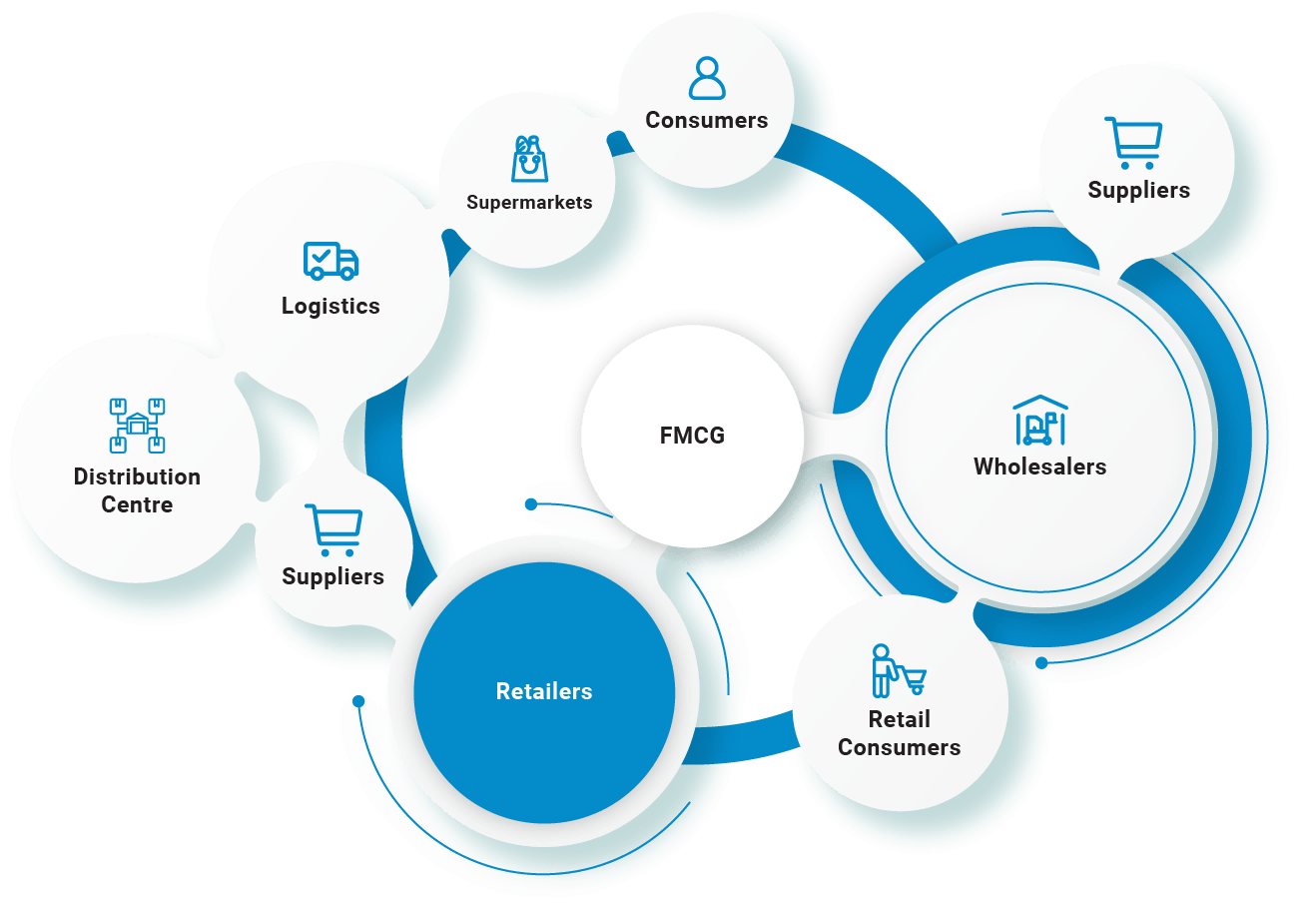
Supply Chain Connections

Solutions For The FMCG Industry

电子数据交换
Electronically exchange all trading documents in any format or protocol, while validating and enriching data to overcome integration and data quality issues.
Web EDI
Provide secure, role-based access to workflows and documents across the FMCG supply chain, giving teams visibility to manage electronic trading, support scan-pack and shipping processes, and consistently meet on-time, in-full (OTIF) requirements.
How It Works

Helping Your FMCG Supply Chain Thrive

Compliance

Meet FMCG buyer compliance requirements through electronic trading, including support for EDI enablement and mandatory compliance testing.

Electronic Workflows

Manage FMCG compliance and technical requirements by enriching, validating, and correcting data as it flows through your supply chain. Ensure information is accurate and complete to meet OTIF targets without manual intervention.

Reduce Complexity

Handle supplier onboarding and accreditation, allowing your business to simply send and receive data in formats you already support. Remove the need for dedicated EDI resources or infrastructure.

Real-time Information

Gain full visibility, set alerts and exceptions, and enable teams to manage their own processes without day-to-day reliance on IT.

3PL & Logistics Integration

Route FMCG trading documents electronically across 3PLs and logistics partners to the right place and right time. Support outsourced warehousing, transport, and customer services without changing existing processes.

Trade electronically and stay compliant across the FMCG supply chain.